You are about to put something into your body, and you have no idea if it’s pure, potent, or packed with heavy metals. The kratom industry is still the Wild West in many ways. There are no federal regulations forcing vendors to test their products. So how do you know what you are actually buying?
Here’s the truth: Most kratom vendors skip lab testing because it’s expensive. They would rather maximize profit than protect your health.
But the best kratom brands? They do things differently.
They invest in third-party lab testing. They publish certificates of analysis (COAs). They make transparency their competitive advantage.
If you are serious about buying kratom online safely, you need to understand what separates trustworthy vendors from the sketchy ones. And it all starts with lab testing.
Why Lab Testing Is Non-Negotiable
Imagine this scenario.
You order kratom powder from a website with a slick design and great reviews. The package arrives quickly. You try it, and nothing happens. Or worse, you feel sick.
What went wrong?
Without lab testing, you have no idea if that kratom was:
- Contaminated with salmonella or E. coli
- Laced with heavy metals like lead or arsenic
- Cut with fillers to increase profit margins
- Stored improperly and lost its alkaloid potency
This happens more often than you think.
The American Kratom Association (AKA) estimates that less than 30% of kratom vendors conduct regular third-party testing. That means the majority of products on the market are untested and potentially unsafe.
Here’s the deal: Lab testing is not just a nice-to-have feature. It’s the only way to verify purity, potency, and safety.
When you buy from the best kratom brands, you are not just getting a product. You are getting proof that what’s on the label matches what’s in the bag.
What to Look for in Lab-Tested Kratom
Not all lab testing is created equal.
Some vendors run basic tests and call it a day. Others go deep with comprehensive analysis that covers every potential risk factor.
Here’s what the best kratom brands test for:
Microbial Contamination
Kratom is grown in Southeast Asia, often in outdoor farms with minimal oversight. If it’s not processed and stored correctly, it can harbor dangerous bacteria.
Quality vendors test for:
- Salmonella
- E. coli
- Staphylococcus
- Yeast and mold
If a vendor doesn’t test for microbial contamination, walk away.
Heavy Metals
Kratom trees absorb minerals from the soil. Unfortunately, they also absorb heavy metals if the soil is contaminated.
Top vendors screen for:
- Lead
- Arsenic
- Mercury
- Cadmium
Chronic exposure to heavy metals can cause serious health problems. This is non-negotiable.
Adulterants and Fillers
Unethical vendors sometimes cut kratom with cheaper substances to boost profit margins.
Lab tests can detect:
- Synthetic additives
- Foreign plant material
- Artificial fillers
The best kratom brands guarantee 100% pure kratom leaf with zero additives.
How to Verify Lab Testing Claims
Here’s where most people get fooled.
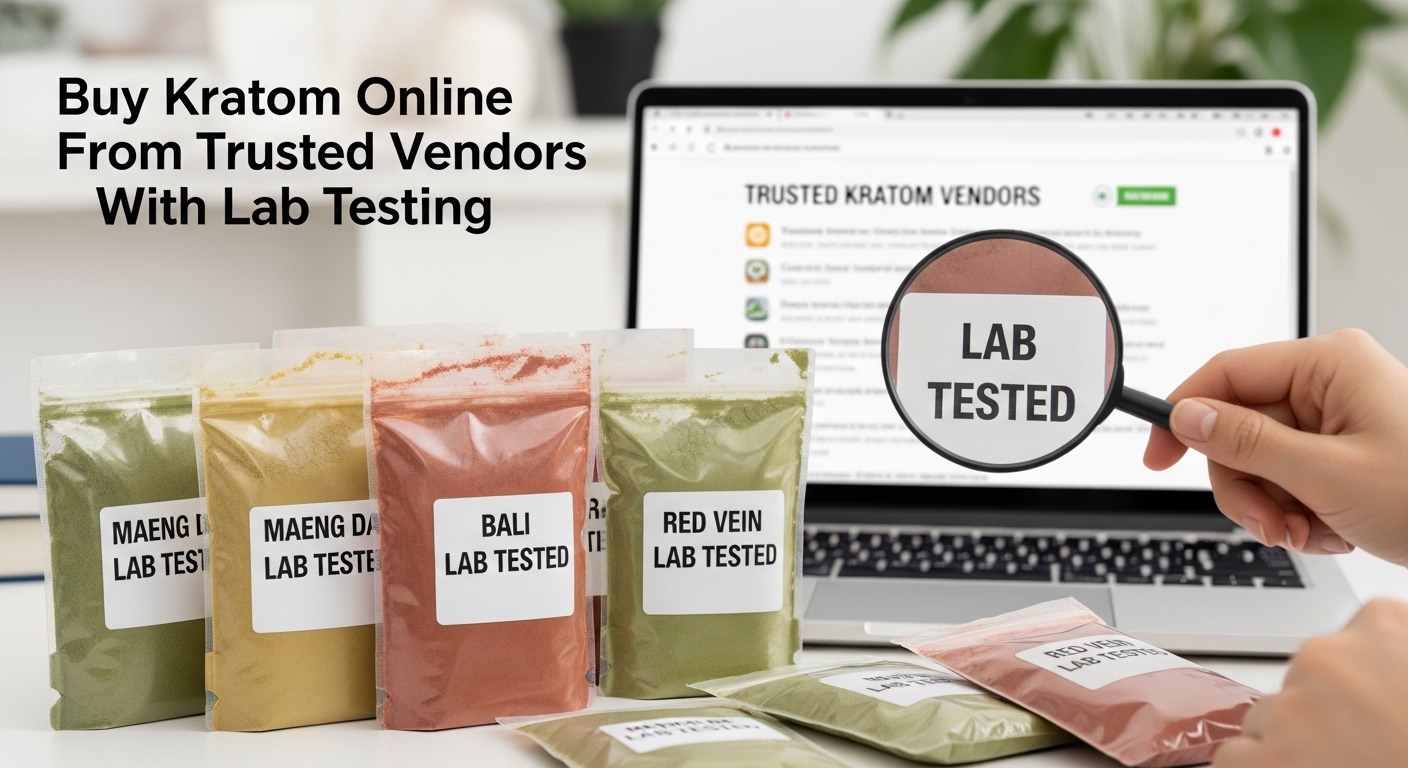
A vendor slaps a “Lab Tested” badge on their website, and buyers assume it’s legitimate. But anyone can create a badge. The real question is: Can they prove it?
Here’s how to verify lab testing:
Demand Certificates of Analysis (COAs)
A COA is a document from an independent lab that shows test results for a specific batch of kratom.
It should include:
- Batch number
- Test date
- Lab name and accreditation
- Specific test results for contaminants and alkaloids
If a vendor doesn’t publish COAs on their website or provide them upon request, that’s a red flag.
Check for Third-Party Labs
“In-house testing” sounds professional, but it’s not trustworthy.
The best kratom brands use independent, accredited laboratories with no financial stake in the results. Look for labs that follow ISO/IEC 17025 standards.
Verify Lab Credentials
Not all labs are qualified to test botanical products.
Reputable labs should have:
- Proper accreditation
- Experience testing kratom specifically
- Transparent testing methodologies
Some vendors list fake lab names or use unaccredited facilities. Do a quick Google search to verify the lab exists and is legitimate.
Look for Batch-Specific Testing
Here’s a sneaky tactic: Some vendors test one batch, get good results, then use that COA for months of inventory.
Quality vendors test every batch. The COA should match the batch number on your product packaging.
The Best Kratom Brands and What They Do Right
So what separates the best kratom brands from the rest?
It’s not just lab testing. It’s a commitment to transparency, quality sourcing, and customer education.
Transparent Sourcing
Top vendors tell you exactly where their kratom comes from. They build direct relationships with farmers in Indonesia, Thailand, and Malaysia. They visit farms, inspect growing conditions, and ensure ethical harvesting practices.
GMP Compliance
Good Manufacturing Practices (GMP) are quality standards that ensure products are consistently produced and controlled.
The American Kratom Association’s GMP Qualified Vendor Program certifies vendors who meet strict manufacturing and testing standards. Look for this certification when choosing a vendor.
Customer Education
The best kratom brands don’t just sell products. They educate customers about:
- Different kratom strains and their effects
- Proper dosing guidelines
- How to read lab reports
- What to expect from various vein colors
If a vendor’s website is just a shopping cart with no educational content, that’s a warning sign.
Money-Back Guarantees
Confident vendors stand behind their products.
Look for companies that offer:
- Satisfaction guarantees
- Easy return policies
- Responsive customer service
If they are testing their kratom properly, they know the quality is consistent. They are not afraid to offer refunds.
Conclusion
Buying kratom online doesn’t have to be risky.
The best kratom brands have already done the hard work for you. They source ethically, test rigorously, and operate transparently.
Your job is simple:
- Demand lab testing
- Verify COAs
- Start with trusted vendors
- Pay attention to red flags
Don’t gamble with your health to save a few dollars.
Choose vendors who prove their quality through third-party testing. Read the lab reports. Ask questions. And never settle for anything less than full transparency.
The kratom industry is changing. More vendors are stepping up to meet higher standards. But until federal regulations catch up, you need to be your own quality control.
So here’s my question for you: Are you ready to make your first informed kratom purchase?
The vendors are out there. The lab reports are available. The only thing standing between you and safe, quality kratom is the decision to demand better.
Frequently Asked Questions
What does third-party lab testing mean for kratom?
Third-party lab testing means an independent, accredited laboratory analyzes kratom samples for contaminants, heavy metals, and alkaloid content. The lab has no financial relationship with the vendor, ensuring unbiased results. This testing verifies that kratom is safe, pure, and accurately labeled before it reaches consumers.
How can I tell if a kratom vendor’s lab reports are legitimate?
Verify that lab reports include the testing facility’s name, accreditation details, batch numbers, test dates, and specific results. Cross-reference the lab’s credentials online to confirm they exist and are properly accredited. The batch number on your product should match the COA, and reports should be recent, not recycled from old inventory.
Why do the best kratom brands cost more than budget vendors?
Quality vendors invest in comprehensive third-party testing, GMP-compliant manufacturing facilities, ethical sourcing relationships, and proper storage. Lab testing alone costs three hundred to five hundred dollars per batch. These expenses ensure product safety and consistency, which budget vendors often skip to maintain lower prices.
What contaminants should kratom be tested for?
Kratom should be tested for microbial contamination including salmonella, E. coli, staphylococcus, yeast, and mold. Testing should also screen for heavy metals like lead, arsenic, mercury, and cadmium. Additionally, tests should verify alkaloid content and check for adulterants or synthetic additives that unethical vendors might use.
Is AKA certification important when choosing a kratom vendor?
Yes. The American Kratom Association’s GMP Qualified Vendor Program certifies companies that meet strict manufacturing, testing, and labeling standards. AKA-certified vendors undergo independent audits to verify compliance. While not legally required, this certification provides strong evidence that a vendor prioritizes safety and quality over profit margins.