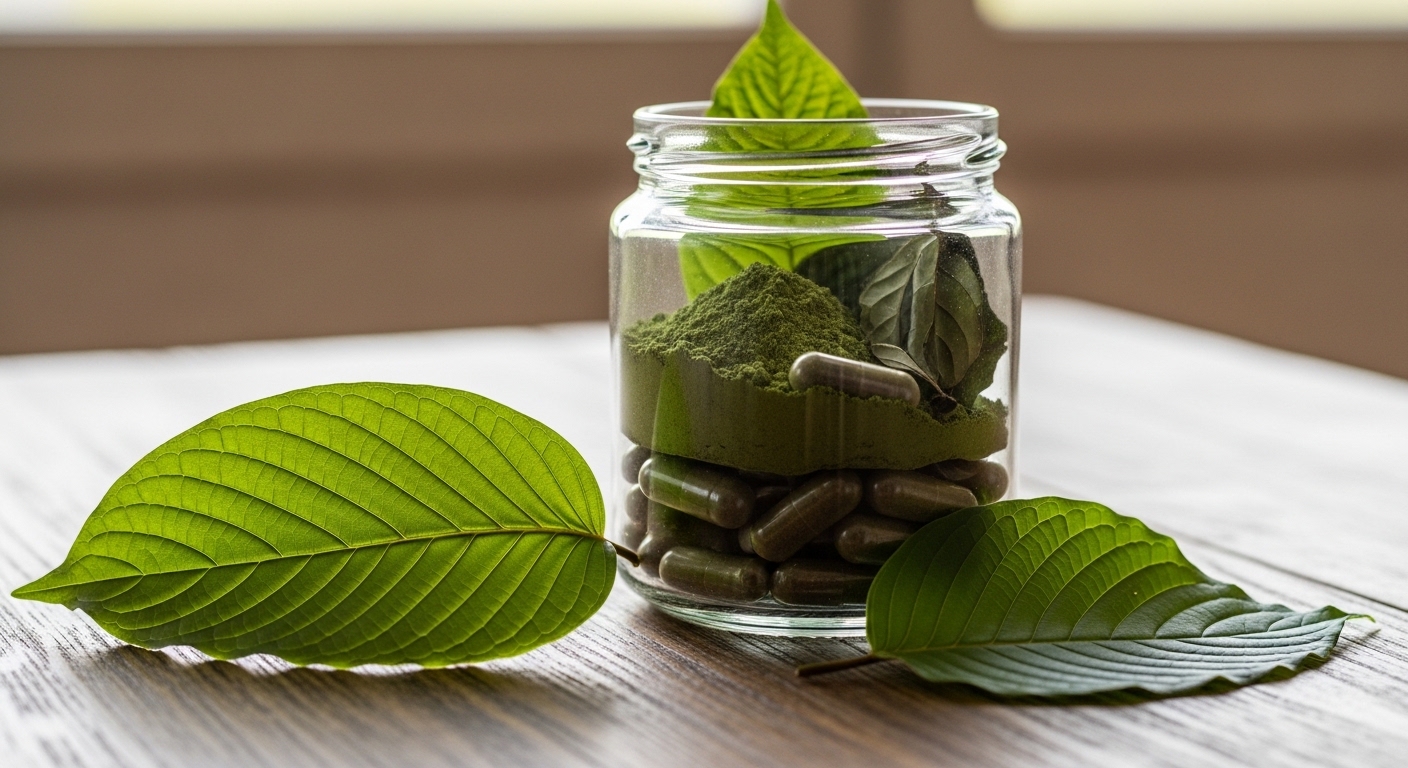
Are you confused by the dozens of kratom strains flooding the online market?
You are not alone.
Every week, thousands of people search for kratom online, hoping to find a reliable vendor. But here is the problem: most of them end up with low-quality powder, misleading labels, or worse – contaminated products.
Look, buying kratom online should not feel like gambling.
The truth is, the kratom market is flooded with vendors who care more about profit than purity. And if you do not know what to look for, you will waste your money on products that do not deliver.
But it does not have to be this way.
In this guide, you will learn exactly how to identify the best kratom brands, understand the difference between strains, and make informed decisions when buying kratom powder online. No fluff. Just actionable insights.
- How to identify trustworthy kratom vendors from questionable ones
- The real differences between kratom strains and what they actually mean
- Why powder form dominates the market and when to choose alternatives
- Critical quality markers that separate premium kratom from cheap substitutes
- How to avoid the most common mistakes when buying kratom online
The Three Pillars of Quality Kratom Brands
1. Third-Party Lab Testing (Non-Negotiable)
If a vendor does not provide lab results, walk away.
Seriously.
The best kratom brands test every single batch for:
- Alkaloid content (mitragynine and 7-hydroxymitragynine levels)
- Heavy metals (lead, mercury, arsenic)
- Microbial contamination (salmonella, E. coli)
- Pesticides and adulterants
These tests should be conducted by independent, accredited laboratories. And the results should be easily accessible on the vendor’s website.
No exceptions.
2. Transparent Sourcing
Where does the kratom come from?
The majority of quality kratom originates from Southeast Asia – specifically Indonesia, Malaysia, and Thailand. The soil composition, climate, and traditional harvesting methods in these regions produce superior alkaloid profiles.
But here is what matters more: does the vendor actually know their supply chain?
Top-tier vendors maintain direct relationships with farmers. They visit the plantations. They verify growing conditions. They ensure ethical harvesting practices.
If a vendor cannot tell you where their kratom comes from, that is a red flag.
3. Customer Reviews and Reputation
Look beyond the testimonials on the vendor’s website.
Check Reddit forums. Browse independent review sites. Search for complaints on the Better Business Bureau.
The best kratom sellers have consistent, verifiable positive feedback across multiple platforms. They respond to customer concerns. They stand behind their products.
Understanding Kratom Strains: What the Colors Actually Mean
Walk into any online kratom store, and you will see dozens of strain names.
Red Bali. Green Malay. White Borneo. Gold Sumatra.
It is overwhelming.
But here is the truth most vendors will not tell you: the color matters more than the name.
Red Vein Kratom
Red vein varieties are the most popular for a reason.
They are harvested from mature leaves with red-colored veins. The drying process for red strains typically involves longer fermentation, which alters the alkaloid profile.
Common red strains:
- Red Bali
- Red Maeng Da
- Red Thai
- Red Borneo
Green Vein Kratom
Green vein kratom sits in the middle of the spectrum.
These leaves are harvested at moderate maturity and undergo a balanced drying process. Many users consider green strains the most versatile option.
Popular green strains:
- Green Malay
- Green Maeng Da
- Green Indo
- Green Thai
White Vein Kratom
White vein kratom comes from younger leaves.
The drying process is shorter, often involving less exposure to sunlight. This preserves certain alkaloid ratios that differentiate white strains from red and green varieties.
Common white strains:
- White Borneo
- White Maeng Da
- White Sumatra
- White Thai
The “Strain Name” Marketing Problem
Here is something the industry does not want you to know:
Many of those exotic strain names are pure marketing.
The actual differences between “Red Bali” and “Red Borneo” from the same vendor? Often minimal or nonexistent.
What matters is the vein color, the alkaloid content (verified by lab tests), and the vendor’s quality control. The geographic names are often just branding.
Kratom Powder vs. Other Forms: What You Should Buy
Walk into any online kratom shop, and you will find multiple formats:
- Powder (most common)
- Capsules (pre-measured)
- Extracts (concentrated)
- Crushed leaf (less processed)
But here is the reality: powder dominates for good reasons.
Why Powder Is the Gold Standard
Cost efficiency: Powder is the most affordable option per gram. You are not paying for capsule manufacturing or extraction processes.
Versatility: You can measure your own servings, mix strains, or prepare it however you prefer.
Freshness: Quality vendors package powder in sealed bags with minimal processing time from harvest to delivery.
Easier to verify quality: You can see, smell, and assess the texture of the powder. Fine, vibrant powder indicates proper processing. Dull, coarse powder suggests age or poor handling.
When to Choose Capsules
Capsules make sense if:
- You travel frequently and need discrete, pre-measured servings
- You cannot tolerate the taste of kratom powder
- You want zero preparation time
But you will pay a premium. Capsules typically cost 30-50% more than equivalent powder amounts.
The Extract Trap
Kratom extracts sound appealing. Concentrated alkaloids. Smaller serving sizes.
But here is the catch: extracts are where quality control falls apart.
Many extract products do not disclose their actual alkaloid content. The extraction process can introduce contaminants. And the concentrated nature makes it easier to consume excessive amounts.
Stick with powder from the best kratom brands. It is safer, more cost-effective, and easier to dose appropriately.
How to Spot Low-Quality Kratom Online
You have found a vendor with great prices. The website looks professional. The product descriptions sound convincing.
But before you click “buy,” check for these warning signs:
Red Flags That Scream “Stay Away”
No lab testing: If they do not test, they do not care about your safety.
Unrealistic claims: Any vendor making medical claims about kratom is violating FDA guidelines and demonstrating ignorance or dishonesty.
Suspiciously low prices: Quality kratom has a cost floor. If someone is selling significantly below market rates, ask yourself why.
Poor packaging: Professional vendors use sealed, labeled bags with batch numbers and expiration dates. Generic plastic bags with handwritten labels? Hard pass.
No contact information: Legitimate businesses provide phone numbers, email addresses, and physical locations.
Pressure tactics: “Limited time offer!” “Only 3 bags left!” These are manipulation techniques, not signs of quality.
The Best Kratom Brands: What They Have in Common
After analyzing dozens of vendors, here is what the top-tier companies share:
Consistent Quality Control
The best kratom brands treat every batch like it matters – because it does.
They implement standard operating procedures for:
- Receiving and inspecting raw materials
- Storage conditions (temperature and humidity control)
- Packaging and labeling
- Customer service and satisfaction
Educational Resources
Quality vendors educate their customers.
They provide detailed information about:
- Kratom origins and cultivation
- Different strains and their characteristics
- Proper storage methods
- How to read lab reports
They do not just sell products. They build informed communities.
Responsive Customer Service
Try this test: email a vendor with a specific question about their sourcing or testing procedures.
Top-tier vendors respond within 24 hours with detailed, knowledgeable answers. Low-quality vendors send generic responses or ignore you completely.
Money-Back Guarantees
The best kratom brands stand behind their products.
If you receive stale, contaminated, or misrepresented kratom, they make it right. No questions asked.
That is confidence in quality.
The Bottom Line on Buying Kratom Online
Here is what you need to remember:
The kratom market is unregulated and full of questionable vendors. But quality products exist if you know what to look for.
The best kratom brands invest in lab testing, transparent sourcing, and customer education. They do not make unrealistic claims. They do not cut corners. They treat kratom as a serious product that deserves serious quality control.
Your job as a consumer is simple: demand evidence, not promises.
Ask for lab reports. Research vendor reputations. Start with small orders. Assess quality yourself.
Do not settle for cheap, untested powder from vendors who hide behind flashy marketing. Your health and your wallet deserve better.
The right kratom vendor is out there. And now you know exactly how to find them.
What will you look for first when evaluating your next kratom purchase?